
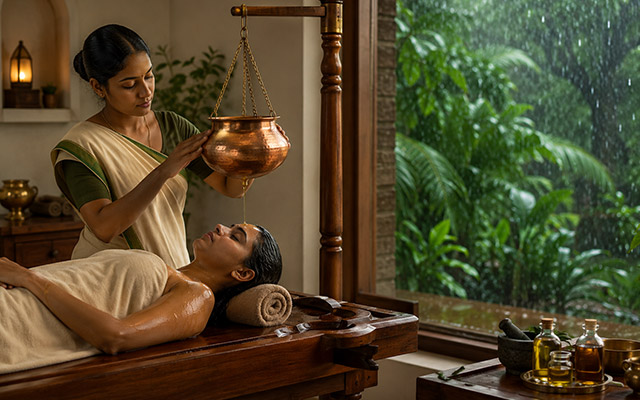
Monsoon feels refreshing after months of heat, but the body does not always adjust smoothly. Humidity rises, digestion becomes weaker, appetite fluctuates, joints feel heavier, and many people complain of sinus congestion.
Ayurveda views this season as a time when the body needs gentle internal support, not harsh crash detoxes. That is why many people consider Panchakarma Therapy in Kolkata at Ayusya Ayurveda during the rainy season to support seasonal wellness under proper Ayurvedic supervision.
What Happens to the Body During Monsoon?
The rainy season changes how the body digests, absorbs, moves, and responds to stress. Ayurveda explains this through dosha imbalance and weakened agni, which means digestive fire.
| Monsoon Change | Common Body Response | Ayurvedic View |
| High humidity | Heaviness, swelling, sluggishness | Kapha aggravation |
| Sudden temperature shifts | Body ache, stiffness, fatigue | Vata disturbance |
| Weak digestion | Gas, bloating, acidity | Low agni |
| Less sunlight | Dullness and low mood | Reduced vitality |
| Water contamination risk | Gut and skin issues | Ama accumulation |
Ama refers to undigested metabolic waste that may accumulate when digestion is poor. Monsoon creates a perfect setting for ama buildup because people often eat fried snacks, skip hydration, sleep late, and move less. That pakora plate may feel heavenly, but your gut may quietly file a complaint.
Panchakarma and Monsoon: The Seasonal Connection
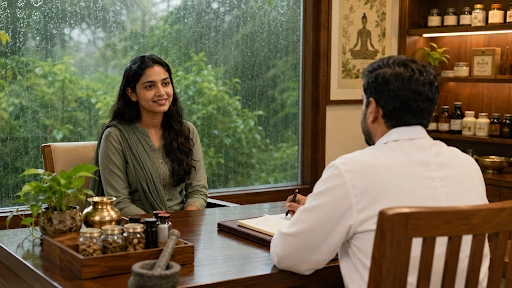
Panchakarma is not just a “detox package.” It is a personalised therapeutic process. The physician checks body type, digestion, age, symptoms, health conditions, lifestyle, and current strength before planning therapies. In monsoon, the body is considered more receptive to sweating and cleansing because the environment supports softness and loosening of accumulated doshas.
A well-supervised Panchakarma Therapy in Kolkata at Ayusya Ayurveda during monsoon may include therapies that reduce heaviness, calm Vata-related aches, and improve metabolism. The goal is not only to “cleanse” the body, but also to help it function with better rhythm.
Key Panchakarma Therapies Often Used in Monsoon
Not everyone needs all five classical Panchakarma procedures. Your Ayurvedic doctor decides what is suitable.
| Therapy | What It Supports | Common Wellness Benefit |
| Abhyanga | Medicated oil massage | Relieves stiffness and dryness |
| Swedana | Herbal steam therapy | Reduces heaviness |
| Virechana | Therapeutic purgation | Supports gut and Pitta balance |
| Basti | Medicated enema therapy | Helps Vata, joints, constipation |
| Nasya | Nasal therapy with medicated oils | Supports sinus comfort |
Panchakarma is powerful. When done correctly, it may feel restorative. When done incorrectly, it can leave the body drained.
Benefits of Monsoon Panchakarma for Seasonal Wellness
1. Supports Better Digestion
Monsoon often slows digestion. People feel hungry but heavy, or full after eating very little. Panchakarma begins with digestive preparation, light diet, and therapies that help kindle agni. This may support better appetite, less bloating, smoother bowel movement, and improved food tolerance.
2. Helps Reduce Ama Buildup
Ama buildup may show up as fatigue, coated tongue, dull skin, bad breath, body heaviness, sticky stools, and mental fog. Panchakarma aims to loosen, mobilise, and remove this accumulation through planned oiling, sweating, cleansing, and diet correction.
3. Balances Vata and Kapha
Monsoon can disturb Vata due to wind, dampness, and irregular temperature. Kapha may rise because of moisture and reduced activity. This combination can create stiffness, lethargy, cold symptoms, low motivation, and swelling. Oil therapies, steam, warm meals, and routine-based care may help bring the body back to balance.
4. Supports Joint and Muscle Comfort
Many people complain that joint pain becomes worse during rainy days. The reason may include humidity, reduced movement, stiffness, and Vata aggravation. Therapies like Abhyanga, Swedana, Patra Pinda Sweda, and Basti may be considered for seasonal stiffness, lower back discomfort, knee pain, or shoulder tightness.
5. Promotes Skin Clarity and Energy
Monsoon skin problems are common because sweat, fungal growth, pollution, and humidity increase. Panchakarma may support skin health by improving digestion and metabolic clearance. It may also help people feel mentally lighter through slow living, better sleep, warm food, oil therapies, and digital rest.
Don’t Just Enjoy the Monsoon, Prepare for It
Monsoon is beautiful, but it can be demanding on digestion, immunity, skin, joints, and energy levels. Panchakarma offers a seasonal reset that goes deeper than surface-level detox trends. It supports digestion, balances doshas, reduces heaviness, improves routine, and helps the body move into the season with better strength.
If you are exploring Panchakarma Therapy in Kolkata, Contact with Ayusya Ayurveda.
People Also Ask
1. Why is Panchakarma recommended during monsoon?
Panchakarma is recommended during monsoon because digestion often becomes weak during this season. Humidity, irregular food habits, reduced sunlight, and seasonal infections can make the body feel heavy and sluggish. Panchakarma supports internal cleansing, improves digestion, balances doshas, and helps the body adjust better to seasonal changes.
2. Is monsoon a good season for Ayurvedic detox?
Yes, monsoon is considered a good season for Ayurvedic detox when done under expert guidance. The body becomes more receptive to oil therapies, sweating therapies, and cleansing procedures during this time. However, the detox plan should be personalised according to age, strength, digestion, symptoms, and overall health condition.
3. Can Panchakarma help with bloating and acidity in monsoon?
Panchakarma may help with bloating and acidity when these problems are linked to weak digestion, toxin buildup, irregular eating, or dosha imbalance. Therapies are usually supported with light food, warm water, herbs, and digestive correction. A consultation is important because acidity can have different causes.
4. Who should avoid Panchakarma during monsoon?
People with fever, acute infection, severe weakness, pregnancy, uncontrolled diabetes, serious heart disease, kidney disease, recent surgery, or severe dehydration should avoid Panchakarma unless advised by a qualified doctor. Anyone taking long-term medicines should consult both their physician and Ayurvedic doctor before starting.
5. How many days does Panchakarma take for seasonal wellness?
For seasonal wellness, Panchakarma may take around 7 to 14 days. Some people may need shorter supportive therapies, while others may require a longer plan. The duration depends on digestion, body type, symptoms, health condition, and the type of therapies recommended by the Ayurvedic physician.
6. What should I eat during Panchakarma treatment in monsoon?
During Panchakarma treatment in the monsoon, freshly cooked, warm, and light food is usually preferred. Moong dal khichdi, vegetable soup, warm water, soft rice, cooked vegetables, and mild spices like cumin or ginger may be recommended. Cold drinks, fried food, curd at night, leftovers, and heavy meals are usually avoided.