
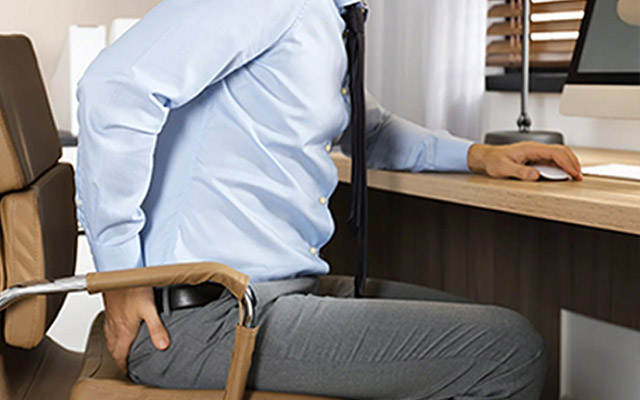
A desk job may feel like the easiest way to work—a comfy chair and no physical strain. But if you have poor diet and lifestyle habits, hours of uninterrupted sitting can further increase the risk of piles. However, don’t worry! This blog highlights how Ayurvedic treatment for piles takes a personalised approach based on a person’s body constitution known as‘Prakriti’, focusing on root-cause management and prevention rather than temporary symptom relief.
Before delving into the blog, here are some quick facts:
- According to the National Library of Medicine, 59% of adults reported symptoms of piles, and 51% reported prolonged sitting.
- According to Hopkins Medicine, nearly half of adults may develop piles by age 50.
What Are Piles and Why Are Office Workers More at Risk?

Piles, also known as Arsha in Ayurveda, occur when blood vessels and the supporting tissues around the anus and lower rectum become swollen or irritated. Here’s how it happens.
1. How Prolonged Sitting Affects Rectal Blood Flow
Sitting for long periods can increase pressure around the pelvic region and reduce movement. While it is not a direct cause of piles, it may contribute when combined with food and daily habits.
2. Role of Poor Posture and Lack of Movement
Poor posture and prolonged inactivity can increase pelvic discomfort and may affect bowel regularity, making stools harder to pass in some people.
3. Does Sitting on Hard Surfaces Make It Worse?
A hard office chair or car seat may aggravate existing swelling or tenderness, but it is unlikely to cause haemorrhoids on its own. A supportive chair and pressure-relieving cushion may improve comfort, but they cannot replace constipation management or clinical treatment.
4. Desk-Job Diet Patterns as a Trigger
Skipping meals, excessive tea or coffee, packaged snacks and late dinners can reduce fibre and fluid intake, leading to hard stools and increased straining—common triggers linked with Arsha.
What Are the Early Symptoms of Piles?
The symptoms of piles in the early stage may be mild enough to ignore. That’s why many office workers ignore the discomfort until bleeding or prolapse becomes difficult to overlook.
Bleeding During Bowel Movements
One of the most common signs you might notice is bright red blood on toilet paper, in the stool, or in the bowl. Internal piles can bleed without causing pain. In Ayurveda, bleeding is often associated with Pitta Dosha imbalance and Rakta involvement. However, bleeding can’t be automatically blamed on piles; it should still be consulted.
Itching, Discomfort and Swelling
Other symptoms may include itching, irritation, swelling and incomplete bowel evacuation. Ayurveda associates these symptoms with imbalanced Doshas, poor digestion and disturbed bowel habits.
Grade 1 vs Grade 3 or 4 Piles
- Grade I: Swollen internally but does not come outside
- Grade II: Comes out while straining but returns by itself
- Grade III: Comes out and needs to be gently pushed back
- Grade IV: Remains permanently prolapsed outside the anus
Piles vs Fissure: How Can You Tell the Difference?
| Symptom | Piles | Anal fissure |
| Main problem | Enlarged anal cushions | A tear in the anal lining |
| Bleeding | Often bright red; may be painless | Usually, with sharp pain |
| Pain | Mild or absent in internal haemorrhoids (severe if thrombosed ) | Often severe during and after passing stool |
| Lump | May be present | Usually absent |
| Itching | Common | Rare |
| Diagnosis | Clinical examination needed | Clinical examination needed |
What Causes Piles Besides Sitting Too Long?

Sitting alone is a contributing factor, not a complete explanation. It becomes significant when it occurs alongside constipation, low fibre intake, straining or prolonged toilet time.
1. Constipation and Straining
Constipation may cause hard stools requiring greater pressure to pass. Repeated straining increases pressure on the haemorrhoidal cushions and may worsen bleeding or prolapse.
2. Low Water Intake
Water helps produce softer, more manageable stools, particularly when fibre intake is increased. Drinking extra water is not a standalone cure, but poor hydration can cause problems.
3. Stress and Irregular Routines
Common causes of Arsha among professionals, including those of younger age, may be:
- Stressful work schedules
- Processed foods
- Inadequate exercise
- Extended toilet-phone use
Managing digestive health and constipation is an important part of reducing these repeated triggers.
How Does Ayurveda Explain Piles or Arsha?
1. What Does “Arsha” Mean?
Arsha is associated with disturbed digestion (Agni), bowel irregularity, and swelling/growths in the anal region.
2. The Vata-Pitta Imbalance View
The Ayurvedic framework may associate dry, hard stools and difficult evacuation with disturbed Vata. Burning, irritation and bleeding may be interpreted through Pitta-related features. Treatment planning depends on symptoms, bowel habits, digestion and your health condition.
3. Why Ayurveda Treats It as a Lifestyle and Digestion Disorder
Ayurvedic care does not focus only on shrinking a swollen pile mass. It may also address constipation, food timing, digestion, sleep, physical activity and bowel habits.
Selected patients may also be advised Panchakarma treatment for broader digestive or lifestyle concerns. Kshara Karma and Kshara Sutra, however, are specialised para-surgical procedures and should not be confused with routine Panchakarma therapies.
What Is the Ayurvedic Treatment for Piles?
The appropriate Ayurvedic treatment for piles depends on whether they’re internal or external, their grade, the presence of bleeding or thrombosis and whether another condition is causing the symptoms.
Common Herbal Formulations
An Ayurvedic physician may consider Ayurvedic medicine for piles containing ingredients traditionally used to support bowel regularity, digestion or bleeding control. Haritaki- or Triphala-based preparations are sometimes used when constipation is present.
Procedure-Based Approaches: Kshara Karma and Kshara Sutra
Kshara Karma uses a carefully prepared alkaline herbal substance on selected areas of the pile tissue. At the same time, Kshara Sutra uses a medicated thread to ligate selected prolapsing tissue. CCRAS describes Kshara Sutra as an Ayurvedic para-surgical measure for the treatment of anorectal disorders.
Kshara Karma vs Kshara Sutra
| Factor | Kshara Karma | Kshara Sutra |
| Method | Herbal alkali application | Medicated thread ligation |
| Used for | Small internal haemorrhoids | Prolapsing hemorrhoids |
| Procedure | Para-surgical application | Para-surgical ligation |
| Hospital stay | Outpatient/short stay | Day-care/short stay |
| Recovery | Depends on the treatment area | It may take days to weeks |
Root-Cause Correction vs Symptom Suppression
Alkali application may offer temporary relief, but lasting management needs softer stools, less straining and healthy bowel habits. Poor routines can cause symptoms to return even after treatment.
Is Kshara Sutra Treatment Painful?
Kshara Sutra may cause some burning, soreness or pain after the procedure. Anaesthesia and pain management may be used when required.
How Long Does Ayurvedic Treatment Take to Show Results?
There is no fixed timeline. Mild symptoms may improve in days or weeks with better bowel habits, while recovery after procedures depends on the size and grade of the piles and the treatment type.
Please consult an expert for all details on Ayurvedic treatment for piles or Kshara Sutra therapy.
Also, note that there is no one-line answer to “How to cure piles permanently,” as it may recur even after treatment.
What Diet Should Office Workers Follow to Prevent and Manage Piles?
Here’s the recommended best diet for piles patients:
1. Fibre-Rich Foods to Include
As per a source, a fibre-rich diet including vegetables, oats, and pulses can reduce the risk of persistent piles symptoms. In Ayurveda, as well, fibre-rich, easily digestible foods are considered helpful for maintaining healthy digestion and balancing Vata Dosha.
2. Foods and Habits to Avoid at the Desk
Limit frequent tea or coffee, fried snacks, heavily processed foods and excessive spicy food when these worsen burning or bowel irritation.
3. Hydration Reminders
Keep a bottle of water at your desk and drink regularly. Ayurveda considers proper hydration important for maintaining balance and preventing dryness associated with disturbed Vata Dosha.
4. Do Turmeric or Fenugreek Help With Piles?
Turmeric and fenugreek are traditional ingredients, but they are not cures for Arsha. Ayurveda considers the right choice of food based on Prakriti and digestive capacity.
What Lifestyle Changes Help Office Workers Avoid Piles?
1. Take Movement Breaks
Stand, walk or stretch for two to five minutes every 30–60 minutes. Regular movement is a practical approach.
2. Correct Your Sitting Posture
Keep both feet supported, avoid slumping and use lumbar support where needed.
3. Build a Consistent Bowel Routine
Respond to the natural urge, avoid straining and leave the toilet once the bowel movement is complete. These are common home remedies for piles.
When Should You See a Doctor for Piles?
Warning Signs Needing Clinical Evaluation
Seek medical advice for repeated bleeding, severe pain, a hard, painful lump, black stools, dizziness, unexplained weight loss, fever, discharge or a persistent change in bowel habits.
Why Early Consultation Prevents Progression
From an Ayurvedic perspective, timely care helps address factors such as disturbed Agni (digestive fire), bowel irregularity, and Dosha imbalance before symptoms become more troublesome.
Read more about what happens if piles are left untreated.
Managing Piles the Ayurvedic Way
Regular movement, timely meals, adequate fibre, sufficient water and sensible toilet habits can make your desk job healthier while reducing the risk of piles. But if you’re already experiencing the symptoms, avoid any guesswork.
If you want to avoid surgery and are considering Ayurvedic treatment in Kolkata for Piles, doctors at Ayusya Ayurveda can help you find the right treatment.
What People Also Ask
1. Can piles be cured permanently with Ayurveda?
Symptoms and pile tissue may be treated, but no responsible practitioner can guarantee a permanent cure. Prevention is always better than a cure.
2. What foods should be avoided if you have piles?
Limit low-fibre processed foods and anything that repeatedly worsens constipation, diarrhoea or burning.
3. How long does Ayurvedic treatment take to show results?
It may range from several days for improvement in bowel habits to several weeks after a procedure.
4. Is piles treatment without surgery possible?
Mild Grade I and II symptoms may improve with fibre, fluids and corrected bowel habits. Persistent or prolapsing piles may require a para-surgical procedure.
5. Is Kshara Sutra treatment painful?
Some discomfort, burning or pain can occur. The treating doctor should explain anaesthesia, pain control and aftercare beforehand.
6. What is the difference between piles and fissures?
Piles involve enlarged anal cushions. A fissure is a tear in the anal lining and commonly causes sharp pain during and after passing stool.
7. Can drinking more water help prevent piles?
Water can help soften stools, especially with adequate fibre intake, but does not prevent piles on its own.
8. Are piles common in people under 30?
Yes. Constipation, low-fibre diets, obesity, pregnancy, toilet habits and sedentary routines can cause haemorrhoids.
9. Can piles return after Ayurvedic treatment?
Yes. Recurrence is possible if constipation, straining and prolonged toilet sitting continue after treatment.
10. What is the difference between Kshara Karma and Kshara Sutra?
Kshara Karma applies herbal alkali directly to selected tissue. Kshara Sutra uses a medicated thread to ligate selected portions of the piles.
11. Can late-stage Grade III or IV piles be treated without surgery?
Some Grade III cases may qualify for minimally invasive or para-surgical treatment. Grade IV piles frequently require an operative assessment.