
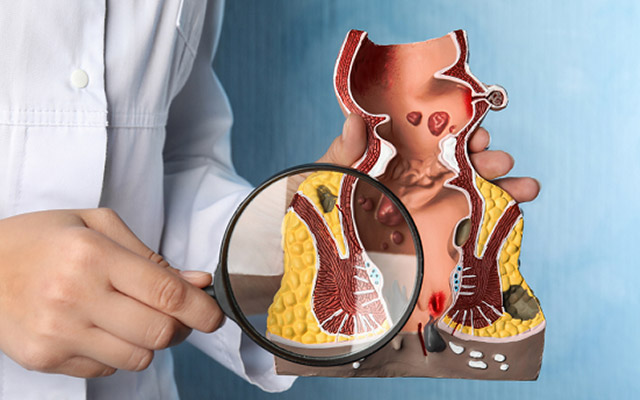
You underwent a fistula treatment, thinking it was gone permanently. Suddenly, one day, that familiar discomfort comes back, which surely sets off the warning bells ringing. No doubt, it’s frustrating and deserves attention. In this case, an Ayurvedic treatment like Kshar Sutra Therapy plays a vital role as it treats conditions like Bhagandara (fistula-in-ano) and Arsha (piles) by understanding the body’s internal balance, digestion and healing response.
To clear your doubts, this blog covers:
- Reasons behind the recurrence of piles and fistula after treatment.
- Kshar Sutra therapy, its Ayurvedic principles and healing process.
- Kshar Sutra vs surgery and factors to consider before treatment.
Why Do Piles or Fistula Treatments Sometimes Fail?

A treatment may address the immediate concern, but recurrence can happen when factors affecting healing are not fully addressed. While modern procedures focus on managing the affected area, Ayurveda takes a broader view by considering Dosha balance, Agni (digestive fire), bowel habits and lifestyle factors that may influence recovery. As a result, as per a source, the recurrence rate of such ailments through Kshar Sutra therapy is 3.33% compared to a high of 26.5% through traditional open surgeries.
Common Causes of Recurrence After Surgery
Some common causes of fistula surgery failure may include:
- A hidden or complex fistula tract that remains active
- Multiple branches within the fistula pathway
- Incomplete healing of the affected area
- Persistent infection or inflammation
- Factors affecting wound healing
In the case of Arsha, piles recurrence after surgical treatment may happen when contributing factors like constipation, straining, prolonged sitting, or irregular bowel habits continue.
Ayurveda also emphasises correcting issues like poor digestion, irregular Ahara (dietary habits), and disturbed elimination patterns, which may affect the body’s natural healing process.
Why Fistula Tracts Often Reopen or Don’t Fully Heal
A fistula is not simply an external opening on the skin. It is an abnormal tract that connects the anal canal to the surrounding skin. Sometimes, the outer opening may close temporarily while the internal tract remains active, leading to recurring discharge, swelling or discomfort.
As per Ayurveda, Bhagandara requires attention to both the local condition and internal factors affecting healing. Imbalance in Vata Dosha, disturbed digestion (Agni) and unhealthy lifestyle patterns may influence tissue strength and the body’s natural healing process, which can contribute to repeated symptoms.
What Is Kshar Sutra Therapy?
Kshar Sutra is a classical Ayurvedic para-surgical therapy mentioned for managing conditions like Bhagandara (fistula) and selected cases of Arsha (piles).
The therapy involves a specially prepared medicated thread coated with herbal alkaline substances. In Ayurveda, Kshar Sutra is described through its therapeutic properties, including:
- Chedana – gradual cutting action
- Lekhana – scraping or removal of unhealthy tissue
- Ropana – supporting healing of the treated area
Unlike approaches that only focus on closing an external opening, Kshar Sutra aims to gradually manage the affected tract while allowing controlled healing.
The suitability of this therapy depends on factors like the type of condition, severity, previous treatments and individual health assessment.
The Ayurvedic Principle Behind Kshar Sutra
Ayurveda views anorectal conditions through the connection between digestion, elimination and tissue health.
According to Ayurvedic principles:
- Agni (digestive fire) supports proper digestion and metabolism.
- Imbalance of Vata, Pitta and Kapha Doshas may influence body functions.
- Accumulation of Ama (undigested metabolic residue according to Ayurveda) may affect overall balance.
- Healthy Dhatus (body tissues) are considered important for proper healing.
For conditions like Bhagandara and Arsha, Ayurveda focuses on restoring balance through personalised care, suitable diet, lifestyle correction and targeted therapies.
This is why Kshar Sutra is often considered part of a broader Ayurvedic approach rather than an isolated procedure.
How It Differs From Conventional Surgery
Conventional surgical approaches and Kshar Sutra follow different treatment principles.
Surgery generally focuses on physically addressing the affected area through operative methods. Kshar Sutra follows a gradual Ayurvedic approach where the medicated thread works through the tract over time.
The right choice depends on several factors, including:
- Condition complexity
- Previous treatment history
- Location and nature of the tract
- Individual healing response
Patients exploring this approach can learn more about our Kshar Sutra therapy and understand whether it suits their condition.
Why Does Kshar Sutra Work When Surgery Has Failed?
A failed treatment does not always mean that the condition cannot be managed. In recurrent cases, understanding why healing was incomplete becomes the first important step.
Addressing the Root Cause vs Just the Symptom
For recurrent piles or fistula, Ayurveda assesses:
- Digestive strength (Agni)
- Bowel habits
- Diet patterns (Ahara)
- Lifestyle routine (Dinacharya)
- Individual constitution (Prakriti)
This root-focused approach is why some patients explore Kshar Sutra therapy for fistula after previous treatment experiences.
How It Handles Complex or Recurrent Fistula Tracts
Recurrent fistulas can be challenging as deeper tracts or repeated inflammation may affect healing. Kshar Sutra works gradually through periodic thread changes under expert supervision. From an Ayurvedic perspective, this approach supports Shodhana (cleansing) and Ropana (healing) of the affected area. Patients can explore Ayurvedic fistula treatment after consultation with an Ayurvedic specialist.
What Happens During the Kshar Sutra Procedure?
Before starting Kshar Sutra therapy, an Ayurvedic specialist evaluates the condition in detail. Ayurveda considers every individual’s Prakriti (body constitution), Dosha balance, digestive strength (Agni) and the nature of the condition before planning treatment.
A proper assessment helps determine whether Kshar Sutra is suitable and how the therapy should be approached.
Pre-Procedure Evaluation
The evaluation may include:
- Understanding previous treatments and recurrence history
- Assessing symptoms like pain, swelling and discharge
- Examining the fistula tract or pile condition
- Reviewing bowel habits, diet and lifestyle patterns
- Evaluating overall health and healing capacity
Step-by-Step Process
The general Kshar Sutra procedure involves:
- Assessment of the affected area to understand the condition and tract pattern.
- Placement of the medicated thread through the affected tract under expert supervision.
- Regular follow-up visits where the thread is changed as required.
- Gradual cleansing and healing of the tract through the therapeutic action of Kshar Sutra.
Number of Sittings Usually Required
The number of sittings varies depending on:
- Length and complexity of the fistula tract
- Severity of the condition
- Previous treatment history
- Individual healing response
How Long Does It Take to See Results?
There’s no typical timeline. It all depends on the condition being treated and how the body responds to therapy.
Typical Healing Timeline
Recovery may depend on:
- Type and severity of fistula or piles
- Depth and length of the affected tract
- Presence of previous procedures
- Dietary and lifestyle habits
During this period, following Ayurvedic guidance regarding Ahara (diet), Dinacharya (daily routine) and bowel habits can support the healing process.
Factors That Can Affect Recovery Speed
Several factors may impact recovery, including:
- Constipation and repeated straining
- Irregular food habits affecting Agni
- Poor hydration
- Stress and disturbed routines
- Existing health conditions
Is Kshar Sutra Painful? What Does Recovery Feel Like?
Are you suffering from a fistula and wondering, “Is Kshar Sutra painful?” The experience depends on the condition.
Pain Levels Compared to Surgery
Some patients may experience:
- Mild pain or soreness
- Burning sensation
- Discomfort during bowel movements
- Temporary irritation after thread changes
Aftercare and Precautions
Important measures may include:
- Maintaining soft bowel movements
- Following a suitable diet plan
- Avoiding excessive straining
- Keeping the treated area clean
- Attending scheduled follow-ups
Learn more about the long-term risks of leaving piles untreated.
Who Is a Good Candidate for Kshar Sutra After a Failed Treatment?
Kshar Sutra may be considered for patients who experience recurrence after previous treatment, depending on their condition and evaluation.
When It’s Recommended
An Ayurvedic specialist may consider Kshar Sutra for selected cases involving:
- Recurrent fistula
- Certain types of piles
- Persistent symptoms after earlier management
- Conditions where gradual healing is preferred
For patients seeking Ayurvedic treatment for recurrent piles, evaluation of digestion, bowel habits and lifestyle factors may also form part of the overall approach.
When Further Evaluation or a Different Approach Is Needed

Kshar Sutra may not be suitable for every patient. Further assessment may be needed in cases involving:
- Complex medical conditions
- Unclear diagnosis
- Severe symptoms requiring urgent care
- Conditions needing another treatment approach
Kshar Sutra vs Repeat Surgery: Which Should You Choose?
| Factor | Kshar Sutra | Surgery |
| Approach | Medicated thread placed through the tract, gradually cuts and heals over weeks | Tract surgically opened or excised in a single session |
| Healing | Slower but comprehensive approach as Ayurveda targets the root cause | Typically faster initial wound closure |
| Recovery | May require regular follow-ups | Varies by surgery type |
| Pain | Mild to moderate discomfort possible | Depends on procedure |
| Recurrence | Depends on condition and care | Depends on condition and technique |
| Cost | Varies by treatment plan | Varies by procedure and facility |
When comparing Kshar Sutra vs surgery for piles, the decision should be based on proper diagnosis rather than choosing one approach universally.
How to Choose the Right Clinic for Kshar Sutra Treatment
Choosing the right Ayurvedic centre plays an important role in the treatment journey. For those searching for the best Ayurvedic treatment for piles and fistula, consider asking:
Questions to Ask Before Starting Treatment
- Is the condition properly diagnosed before treatment?
- How experienced is the practitioner with Kshar Sutra?
- What does the treatment plan involve?
- How often are follow-ups required?
- What lifestyle changes are recommended during recovery?
Is Kshar Sutra Right for You?
Recurring piles or fistula symptoms can be physically uncomfortable and emotionally exhausting. Ayurveda approaches these conditions by looking beyond symptoms and considering digestion, lifestyle, Dosha balance and individual healing patterns.
If you are struggling with chronic or recurring fistulas and piles, you can consider Kshar Sutra therapy in Kolkata at our clinic.
People Also Ask
1. What is Kshar Sutra treatment and how does it work?
Kshar Sutra is an Ayurvedic para-surgical therapy using a medicated thread for selected anorectal conditions like fistula and piles. It works gradually by supporting controlled cleansing and healing of the affected area.
2. Can Kshar Sutra cure piles or fistula permanently?
Results vary depending on the condition, severity, lifestyle factors and individual healing response. Proper evaluation and follow-up are important for long-term management.
3. Why did your piles or fistula come back after surgery?
Recurrence may happen due to factors like complex disease patterns, incomplete healing, constipation, lifestyle habits or other underlying causes.
4. Is Kshar Sutra better than surgery for fistula?
Both approaches have different principles. The suitable option depends on the fistula type, complexity, previous treatments and expert evaluation.
5. How many sittings of Kshar Sutra are usually needed?
The number of sittings depends on tract length, severity and healing response.
6. Is Kshar Sutra treatment painful?
Some discomfort, soreness or burning may occur. The intensity varies between individuals.
7. How long is the recovery after Kshar Sutra?
Recovery time depends on the condition, treatment response and following post-treatment care.
8. What is the success rate of Kshar Sutra for recurrent fistula?
Success depends on multiple factors, including fistula complexity, practitioner expertise and patient compliance.
9. Can Kshar Sutra treat complex or high anal fistula?
Complex cases require detailed evaluation before deciding suitability.
10. What is the cost of Kshar Sutra treatment in Kolkata?
The cost varies depending on the condition, number of sittings and treatment requirements.
11. Are there side effects of Kshar Sutra therapy?
Temporary discomfort, soreness or irritation may occur during the healing process.
12. Can you return to work immediately after the procedure?
This depends on the nature of work, symptoms and individual recovery.
13. Is Kshar Sutra recognised by modern medical science?
Kshar Sutra has been studied in clinical research, especially for fistula-in-ano. Treatment suitability depends on individual evaluation and expert guidance.