
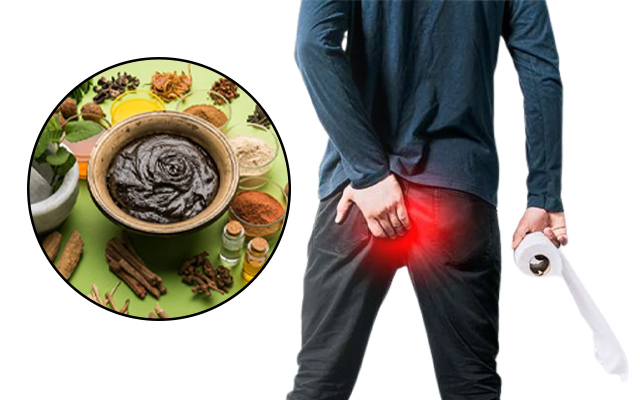
Piles, or haemorrhoids, are no laughing matter. They cause pain, discomfort, and frustration for millions. While surgery is often considered, Ayurveda offers a natural, holistic alternative that’s effective, gentle, and non-invasive. Wondering how? Let’s dive in.
Get to know how Ayurveda uses therapies, medicines, and lifestyle changes to tackle piles without resorting to surgery. If you’re seeking piles ayurvedic treatment in Kolkata, Ayusya Ayurveda is here with the solutions you need.
What Are Piles?
Piles, or haemorrhoids, occur when the veins around the anus or in the rectum become swollen or inflamed. This can cause itching, pain, and sometimes bleeding. The main culprits are often constipation, straining, prolonged sitting, or pregnancy. Thankfully, Ayurveda offers holistic treatments that can reduce these uncomfortable symptoms and help you heal naturally—without the need for surgery.
Ayurveda’s Approach to Treating Piles
In Ayurveda, piles are caused by an imbalance in the body's Pitta and Vata doshas, which govern digestion, elimination, and the body’s overall functions. When these doshas get out of balance, it leads to poor digestion, constipation, and ultimately piles. Ayurveda addresses the problem by focusing on restoring this balance through natural therapies, medicines, and dietary modifications.
Here’s how Ayurveda works its wonders to treat piles without surgery:
1. Herbal Remedies for Piles
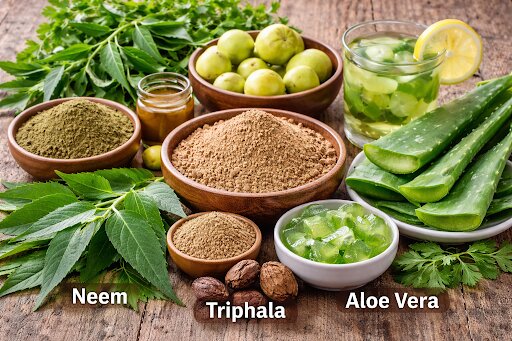
Ayurveda has an arsenal of powerful herbs that not only soothe inflammation but also enhance digestion, reduce pain, and promote regular bowel movements. These natural remedies help heal the body from within and provide long-term relief.
Triphala
Triphala, a blend of three fruits (Amalaki, Haritaki, and Bibhitaki), is a go-to remedy for digestive health. It promotes healthy bowel movements and acts as a gentle laxative, preventing constipation—the main culprit behind piles.
Neem
Neem is a fantastic herb known for its anti-inflammatory and antibacterial properties. It helps reduce swelling, itching, and irritation in the anal region, making it a staple in Ayurvedic treatment for piles.
Aloe Vera
Aloe vera’s cooling properties soothe inflamed areas, reducing pain and discomfort. Whether applied topically or consumed as juice, aloe vera supports healing and relieves external piles.
2. Kshar Sutra and Kshar Karma: Effective Ayurvedic Treatments for Piles
In addition to herbal remedies, Ayurveda offers specialised treatments such as Kshar Sutra and Kshar Karma, which are highly effective in treating piles—especially in advanced cases. These therapies are non-surgical but offer remarkable results.
Kshar Sutra (Medicated Thread Treatment)
Kshar Sutra is a traditional Ayurvedic technique where a medicated thread is tied around the piles. The thread, infused with herbal medicines, gradually shrinks the hemorrhoidal tissue and promotes healing. This method is safe, minimally invasive, and doesn’t require any incisions, making it an excellent alternative to surgery.
Kshar Karma (Medicinal Cauterisation)
Kshar Karma is a therapeutic process in which medicinal herbs are applied directly to the affected area to treat and cauterise hemorrhoidal tissue. This process effectively reduces swelling and inflammation while promoting tissue healing, all without the need for surgery.
Both of these treatments are performed under professional supervision and have been proven to provide lasting relief from piles without the need for conventional surgery.
3. Ayurvedic Therapies for Piles
Ayurveda doesn’t just focus on herbs—it also offers specialised therapies to target the root causes of piles and accelerate healing.
Basti (Enema Therapy)
Basti, a key Ayurvedic therapy, involves administering herbal infusions or medicated oils via enemas to cleanse the body. It helps eliminate toxins, improve digestion, and relieve constipation—all of which contribute to the development of piles.
Pinda Swedana (Herbal Fomentation)
This therapy uses warm herbal poultices applied to the anal region to reduce swelling and provide relief from the pain associated with external piles. The soothing heat and medicinal properties help calm inflammation.
Abhyanga (Therapeutic Medicated Oil Massage)
Abhyanga is a full-body massage with herbal oils that improves blood circulation, reduces stress, and promotes digestive health. This therapy helps restore balance to the body, improving digestion and reducing the risk of piles.
4. Dietary Changes: Nourish Your Body for Better Health
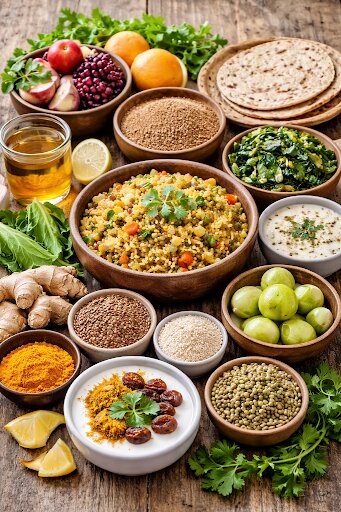
In Ayurveda, food is considered medicine. The right diet can make all the difference in managing piles and preventing future flare-ups.
Increase Fibre Intake
Fibre is essential for preventing constipation. Ayurveda recommends incorporating fibre-rich foods like fruits, vegetables, whole grains, and legumes into your diet. These foods soften the stool and make it easier to pass, reducing strain during bowel movements.
Stay Hydrated
Ayurveda encourages drinking plenty of water and herbal teas, such as ginger or peppermint tea, to support digestion and prevent dehydration. Dehydration can lead to hard stools and worsening piles.
Avoid Spicy and Greasy Foods
Spicy, oily foods can irritate the digestive system and exacerbate piles. Ayurveda recommends lighter, cooling foods such as soups, steamed vegetables, and fresh fruits to reduce inflammation and promote healing.
Probiotics Are Your Friend
Probiotics, found in yoghurt and fermented foods, maintain a healthy gut flora and support digestion. Regular intake of these foods helps prevent constipation and promotes overall bowel health.
5. Lifestyle Tips to Prevent and Manage Piles
Ayurveda emphasises a proactive approach to health. Making simple lifestyle changes can reduce the likelihood of developing piles and effectively manage existing symptoms.
Exercise Regularly
Physical activity promotes healthy digestion and circulation. Ayurveda recommends gentle exercises like yoga, walking, or swimming to keep the digestive system active and reduce the risk of constipation.
Avoid Sitting for Long Periods
Prolonged sitting increases pressure on the anal veins, which can worsen piles. Ayurveda advises taking regular breaks to stand, walk, and stretch to promote healthy circulation.
Practice Stress Management
Stress can aggravate digestive issues and contribute to the development of piles. Ayurveda encourages practices like meditation, deep breathing, and yoga to reduce stress and promote overall well-being.
Proper Toilet Habits
Straining during bowel movements is a big no-no in Ayurveda. It’s essential to allow the body to eliminate waste naturally, without rushing or forcing. A relaxed and mindful approach to toilet habits is key to managing piles.
Ayusya Ayurveda: Your Partner in Piles Ayurvedic Treatment in Kolkata
If you're searching for Piles Ayurvedic treatment in Kolkata, Ayusya Ayurveda is your trusted destination. Our expert practitioners offer personalised treatment plans that combine the best of Ayurvedic therapies, herbal medicines, and lifestyle changes to provide long-term relief from piles.
We also specialise in advanced treatments such as Kshar Sutra and Kshar Karma, providing you with safe, non-surgical alternatives for even the most stubborn cases of piles. Our holistic approach ensures you get the relief you deserve—naturally, without invasive procedures.
Say Goodbye to Piles, the Ayurvedic Way
For lasting relief from piles without surgery, look no further than Ayusya Ayurveda. We combine ancient wisdom with modern care to ensure you receive the best possible treatment. Reach out today and take the first step towards a life free from piles!
Start your journey to better health today with expert-guided piles treatment in Kolkata.
Contact Ayusya Ayurveda today.
People Also Ask
1. What are the signs that indicate you have piles?
Common signs of piles include itching around the anus, pain during or after bowel movements, and bright red blood on toilet paper. Swelling around the anus is another telltale sign.
2. How do you know if your piles are getting worse?
If the pain, swelling, or bleeding around the anus worsens, or if you experience difficulty passing stools despite treatment, your piles may be getting worse. In such cases, seeking professional care is recommended.
3. Can Ayurvedic treatments help with bleeding piles?
Yes, Ayurvedic treatments like Kshar Sutra can effectively reduce inflammation and promote healing, thus addressing bleeding piles. Herbs like neem and aloe vera are also known to soothe the area.
4. What causes the pain and swelling in piles?
Pain and swelling in the piles are typically caused by increased pressure on the veins, leading to inflammation. Constipation, straining, or prolonged sitting can exacerbate these symptoms.
5. How do you relieve itching caused by piles?
Itching around the anus caused by piles can be relieved with soothing Ayurvedic remedies like aloe vera or neem. Maintaining hygiene and avoiding harsh soaps can also help prevent further irritation.