
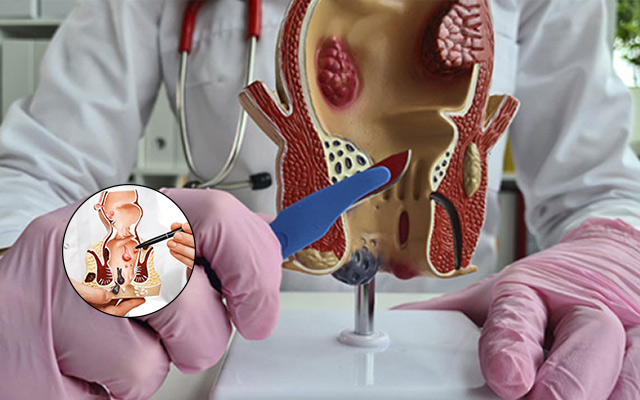
Have you been dealing with the pain of fistula or piles for a long time? Maybe you have tried home remedies, medicines, and temporary fixes, but the relief never lasted. That is where Kshar Sutra therapy can make a difference.
In this blog, let’s understand how this minimally invasive Ayurvedic treatment can support safer, guided, and lasting relief.
How Does Kshar Sutra Therapy Work?
Kshar Sutra does not work like a quick surface-level treatment. It works slowly and steadily.
In a few cases, the medicated thread is placed through the fistula tract. This tract is an abnormal tunnel near the anal region. The thread helps drain infected fluid, clean the tract, and support gradual healing from inside.
In selected piles cases, Kshar Sutra may be used to manage unhealthy or swollen tissue. The aim is to reduce recurrence, support clean healing, and improve comfort.
The treatment usually needs follow-up visits. In fistula care, the thread may be changed at regular intervals based on the healing progress. This is why patient cooperation is very important.
Kshar Sutra Therapy for Fistula
Anal fistula is one of the most common reasons people look for Kshar Sutra treatment. A fistula is a small tunnel that forms between the anal canal and the skin near the anus. It may develop after an abscess or infection.
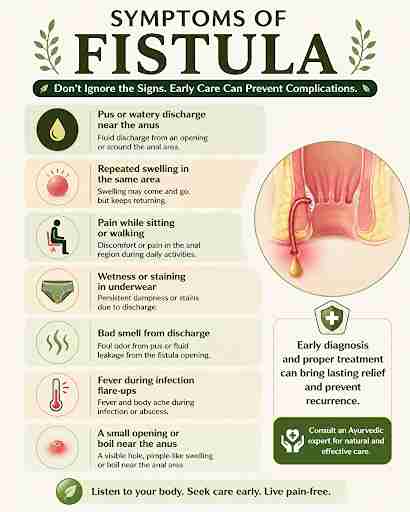
Many patients feel temporary relief when the swelling bursts or discharge comes out. But the problem often returns because the tract remains inside.
The medicated thread used in Kshar Sutra treatment helps manage the fistula tract gradually. It supports drainage, cleaning, and controlled healing. The goal is not just to close the outside opening but to treat the tract properly.
Kshar Sutra Therapy for Piles
Piles, also called haemorrhoids, are swollen blood vessels or tissue around the anal canal. They may be internal or external. Some piles bleed, some cause pain, and some create a lump-like feeling near the anus.
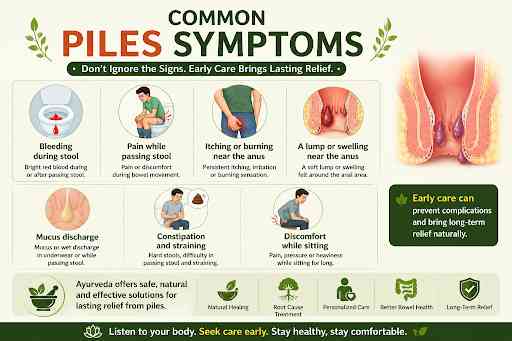
Kshar Sutra for piles is usually considered in selected cases. Early piles may improve with diet correction, bowel regulation, Ayurvedic medicines, and lifestyle changes. Advanced, recurring, or non-healing piles may need procedural care.
Why Is Kshar Sutra Called Minimally Invasive?
Nowadays, many patients suffering from fistula and piles opt for Kshar Sutra treatment as a minimally invasive option over traditional surgery.
Here’s a table that draws a direct comparison between the two.
| Point of Comparison | Kshar Sutra Therapy | Conventional Surgery |
| Approach | Medicated thread-based Ayurvedic procedure | Surgical cutting or removal |
| Invasiveness | Minimally invasive in suitable cases | May be more invasive |
| Healing | Gradual and follow-up based | Depends on surgery type |
| Fistula focus | Works on the tract gradually | Removes or repairs the tract surgically |
| Follow-up | Regular follow-up is important | Follow-up depends on procedure |
| Suitability | Case-specific | Case-specific |
The right treatment depends on the type of piles or fistula. Other determining factors include the condition’s severity, infection, recurrence, age, health condition, and doctor’s evaluation.
Benefits of Kshar Sutra Therapy
Kshar Sutra therapy is valued because it focuses on controlled healing rather than temporary symptom relief. For suitable patients, it may offer several benefits.
Key benefits include:
- Helps manage the fistula tract gradually
- Supports drainage in fistula cases
- Helps clean unhealthy tissue
- May reduce repeated flare-ups in selected cases
- Useful for some recurrent anorectal conditions
- Supports healing with diet and lifestyle care
- Requires less fear compared to major surgical procedures
- Focuses on follow-up and long-term correction
However, it is important to stay realistic. Kshar Sutra is not a magic thread. It needs patience, proper application, regular follow-up, hygiene, and diet control.
What to Expect During Kshar Sutra Treatment
The process usually starts with a detailed consultation. The Ayurvedic physician checks the symptoms, bowel habits, pain pattern, bleeding, discharge, previous treatment history, and recurrence pattern.
1. Consultation and Diagnosis
The doctor first understands whether the problem is piles, fissure, fistula, abscess, or another anorectal concern. In fistula cases, the tract may need careful assessment.
2. Treatment Planning
Not every patient gets the same treatment. The plan depends on the stage, severity, infection, tissue condition, and overall health.
3. Kshar Sutra Application
The medicated thread is applied according to the condition. In fistula cases, it is placed through the tract. In selected piles cases, it may be used for affected tissue management.
4. Follow-Up Visits
Follow-ups are a key part of treatment. The thread may need changing at regular intervals. The doctor checks healing, discharge, pain, and tissue response.
5. Recovery Support
Diet, hygiene, bowel care, and lifestyle changes are advised to support healing. Ignoring these can slow recovery.
Recovery and Aftercare After Kshar Sutra Therapy
Recovery after Kshar Sutra therapy is gradual. Mild discomfort, discharge, or irritation may happen, especially in fistula cases. This does not always mean the treatment is going wrong. The body needs time to heal.
Aftercare usually focuses on keeping the area clean, avoiding constipation, and attending follow-up visits.
Helpful recovery tips include:
- Eat fibre-rich food
- Drink enough water
- Avoid straining during stool
- Avoid very spicy and oily food
- Do not sit for too long at one stretch
- Maintain proper anal hygiene
- Follow medicines as advised
- Visit the doctor for scheduled follow-ups
Warm water sitz baths may also be advised in some cases for comfort. Healing time varies from person to person. A small fistula may not take the same time as a long or complex tract.
When Should You Consult a Doctor?
Do not wait for symptoms to become unbearable. Piles and fistula often worsen when ignored.
Consult a doctor if you notice:
- Bleeding during stool
- Pus discharge near the anus
- Pain while passing stool
- Repeated swelling near the anus
- Lump near the anal opening
- Fever with anal pain
- Long-term constipation
- Symptoms returning after treatment
- Difficulty sitting or walking
Early diagnosis helps avoid complications and makes treatment planning easier.
The Ultimate Solution
Piles and fistula should not be ignored, especially when symptoms keep returning. Kshar Sutra therapy in Kolkata at Ayusya Ayurveda offers a minimally invasive Ayurvedic option for suitable patients.
People Also Ask
- What is Kshar Sutra therapy used for?
Kshar Sutra therapy is mainly used for anorectal conditions like anal fistula and selected piles cases. It uses a medicated Ayurvedic thread to support gradual cleaning, drainage, and healing of the affected tract or tissue.
- Is the Kshar Sutra effective for fistula?
Kshar Sutra is commonly used in Ayurvedic management of anal fistula. It may help treat the fistula tract gradually through drainage, cleaning, and controlled healing. Suitability depends on the tract type, infection, and overall health condition.
- Can Kshar Sutra treat piles?
Kshar Sutra may be used for selected piles cases, especially advanced or recurrent piles. Early piles may improve with medicines, diet changes, hydration, and bowel correction. A doctor should decide the right treatment after diagnosis.
- Is Kshar Sutra therapy painful?
Some discomfort may occur during and after the procedure. Pain level depends on the condition, sensitivity, infection, and treatment area. Proper care, medicines, hygiene, and follow-up can help manage discomfort during recovery.
- How long does Kshar Sutra treatment take?
The treatment duration varies. Fistula tract length, tissue condition, infection, follow-up schedule, and healing response all matter. Some patients need multiple visits and thread changes before complete healing.