
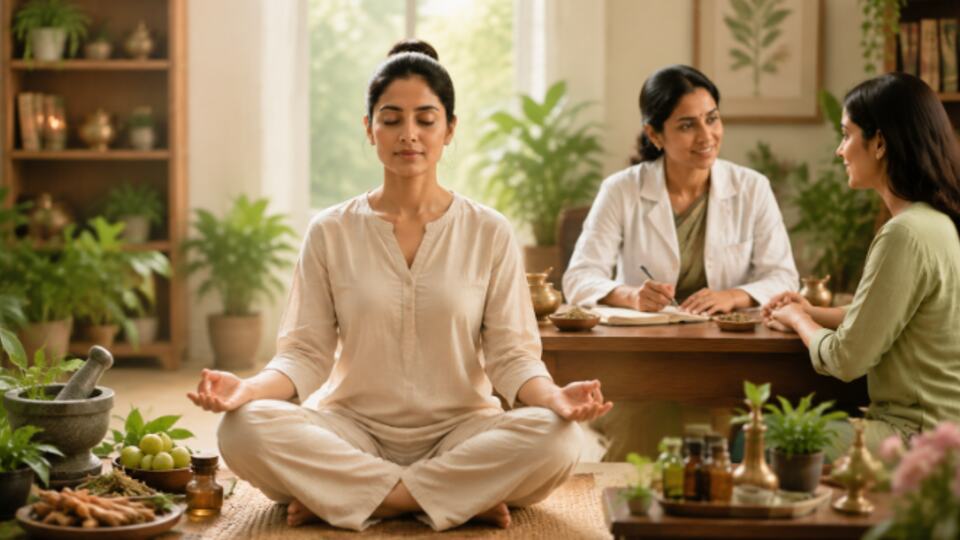
Anxiety is increasingly common, and concerns about the side effects of long-term anxiety medication have led many people to explore natural approaches for long-term support. Ayurveda offers a personalised approach that focuses on Dosha balance, digestion, lifestyle, and mind-body wellbeing. Therapies like Shirodhara, Panchakarma and Ayurvedic herbs are traditionally used to promote relaxation and emotional balance. In this blog, we explore how Ayurvedic treatment for anxiety can support anxiety management through personalised therapies and holistic care.
Understanding Anxiety — A Modern Epidemic

According to the World Health Organization (WHO), anxiety disorders affect millions of people globally and can interfere with daily activities, relationships and quality of life.
Modern lifestyles have introduced several factors that may increase mental stress, including:
- Long working hours and professional pressure
- Poor sleep patterns
- Excessive screen exposure
- Lack of physical activity
- Irregular eating habits
While occasional worry is normal, persistent issues can affect emotional balance, concentration, sleep and physical health. For those using conventional medication, concerns about the side effects of long-term anxiety medication—such as drowsiness, digestive changes, dependency and withdrawal challenges—often lead them to explore other approaches.
In contrast, Ayurveda offers a different perspective by focusing on restoring balance rather than managing symptoms alone. Studies suggest that Shirodhara combined with Yoga Nidra may help reduce anxiety severity, while clinical trials indicate that Ashwagandha extract may support stress and anxiety reduction compared to control groups.
Why Long-Term Anxiety Medication Comes With a Cost
Medications prescribed for anxiety can work for some individuals. However, long-term benefits require proper medical supervision because responses can vary from person to person.
Common Side Effects of Anti-Anxiety Drugs
Depending on the type of medication, some individuals may experience:
- Sleepiness or reduced alertness
- Changes in appetite or digestion
- Fatigue or low energy
- Difficulty adjusting when doses are changed
However, never stop prescribed medicines suddenly without medical guidance.
Dependency and Withdrawal Concerns
Certain anxiety medications may cause dependence when used for prolonged periods, especially if not monitored properly. Sudden discontinuation may also lead to withdrawal symptoms in some cases.
This is why many consider natural approaches like Ayurveda for anxiety without medication, particularly when they want to improve lifestyle, emotional resilience and overall balance.
The Ayurvedic Perspective on Anxiety
Ayurveda does not view anxiety as an isolated problem of the mind. It considers the connection between the Manas (mind), nervous system, digestion and lifestyle patterns.
According to Ayurveda, the symptoms may often be linked with an imbalance in Vata Dosha.
Vata Dosha Imbalance and Anxiety
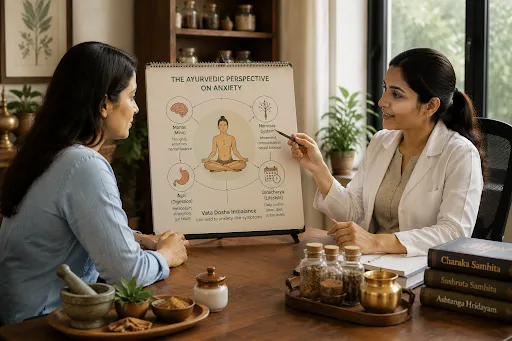
According to Ayurvedic principles, Vata governs movement, communication, and nervous system functions. When Vata becomes aggravated due to factors like irregular routines, lack of sleep, excessive stress or improper diet, it may contribute to:
- Restlessness
- Excessive worrying
- Difficulty relaxing
- Disturbed sleep
- Mental fatigue
This connection between Vata dosha imbalance and anxiety is why Ayurveda focuses on grounding routines, calming therapies and restoring stability.
An Ayurvedic assessment considers an individual’s Prakriti (body constitution), lifestyle, Agni (digestion), and emotional patterns before suggesting an approach.
How Ayurveda Treats Anxiety Naturally
Ayurveda follows a personalised approach to support mental calmness by improving balance through therapies, herbs, diet, and lifestyle changes.
Shirodhara for Anxiety Relief
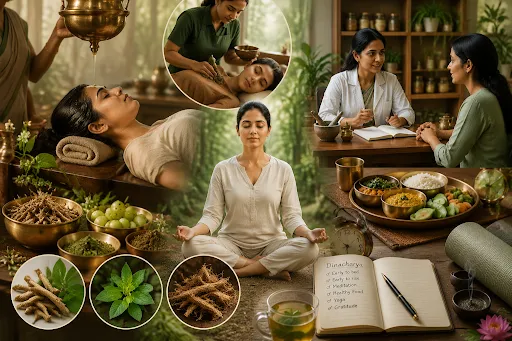
Shirodhara for anxiety relief is one of the well-known Ayurvedic therapies used for promoting relaxation and mental calmness.
During Shirodhara, a continuous stream of warm herbal oil or another suitable liquid is gently poured over the forehead. Traditionally, this therapy is believed to support relaxation, calm the Manas, and balance aggravated Vata.
It may be considered as part of a broader Ayurvedic plan that includes:
- Stress management practices
- Sleep correction
- Diet improvement
- Personalised lifestyle changes
Shirodhara suitability depends on individual health conditions and should be decided after consultation.
Panchakarma for Mental Health
Panchakarma for mental health involves personalised Ayurvedic therapies that support Shodhana (cleansing), Dosha balance, and mind-body harmony. Ayurveda considers the accumulation of Ama (metabolic impurities), disturbed Vata Dosha and imbalance in Manas as factors that may affect emotional wellbeing.
Panchakarma therapies are designed according to an individual’s Prakriti and health needs to support:
- Shodhana – elimination and internal cleansing
- Dosha balance – restoring functional balance in the body
- Manas stability – supporting mental calmness and relaxation
- Better connection between body, mind and emotions
A trained Ayurvedic practitioner evaluates Prakriti, Vikriti (current imbalance), lifestyle and health condition before recommending suitable Panchakarma therapy.
Herbal Remedies for Anxiety — Ashwagandha, Brahmi and Jatamansi
Commonly used herbal remedies for anxiety include:
Ashwagandha for Anxiety
Ashwagandha is widely studied for its potential role in supporting stress response and relaxation. It is traditionally considered a Rasayana herb that helps improve resilience and balance.
Brahmi
Brahmi is traditionally associated with memory, concentration and mental clarity. Ayurvedic formulations commonly use it to support cognitive well-being.
Jatamansi
Jatamansi is traditionally valued for its calming properties and is used in Ayurveda for supporting emotional balance.
However, herbal remedies are not suitable for everyone. An Ayurvedic expert should assess dosage, quality, and suitability, especially if someone is already taking medication.
Diet and Lifestyle (Dinacharya) Adjustments
Ayurveda considers Dinacharya (daily routine) and Ahara (diet) essential for mind-body balance. Irregular habits, poor sleep and unsuitable foods may disturb Agni and aggravate Vata Dosha, which Ayurveda associates with restlessness and anxiety-like symptoms. Lifestyle practices that may support mental balance include:
- Maintaining regular meal and sleep timings
- Choosing warm, nourishing and easily digestible foods
- Limiting excessive caffeine and processed foods
- Practising yoga, meditation and mindful breathing
- Following a consistent daily routine to calm Vata
A balanced routine supports Sattva (mental clarity and stability) and complements personalised Ayurvedic therapies and herbal support for holistic anxiety management.
Ayurveda vs Conventional Medication — What’s Different?
While modern medicine often focuses on managing symptoms through targeted medication, Ayurveda takes a broader view by considering the relationship between the mind, body, digestive system and lifestyle patterns.
| Aspect | Ayurveda | Conventional Medication |
| Approach | Focuses on Dosha balance, lifestyle and mind-body harmony | Primarily targets symptoms and brain chemistry |
| Assessment | Based on Prakriti, Vikriti, lifestyle and individual needs | Based on symptoms and clinical evaluation |
| Support methods | Shirodhara, Panchakarma, herbs, Ahara and Dinacharya | Medicines and therapies prescribed by doctors |
| Timeline | Gradual improvements through personalised care | May provide quicker symptom relief in some cases |
| Long-term focus | Building balance and healthy routines | Managing symptoms with ongoing monitoring |
Is Ayurvedic Treatment for Stress and Anxiety Right for You?
If you’re looking for Ayurvedic treatment for stress and anxiety in Kolkata, it may be the right option for individuals looking for a personalised approach that considers their constitution, lifestyle and emotional patterns.
Ayurveda focuses on understanding the person behind the symptoms rather than applying the same solution for everyone.
Who May Benefit From an Ayurvedic Approach?
An Ayurvedic consultation may help individuals experiencing:
- Stress due to irregular lifestyle patterns
- Sleep disturbances linked with mental restlessness
- Difficulty maintaining emotional balance
- It is associated with poor routines and digestive imbalance
- A desire to adopt a more holistic anxiety management approach
According to Ayurveda, anxiety symptoms may vary based on an individual’s Prakriti and the Vikriti. For example, aggravated Vata Dosha may be associated with restlessness, excessive thoughts and difficulty calming the mind.
What to Expect During an Ayurvedic Consultation
An Ayurvedic consultation generally involves understanding:
- Individual constitution (Prakriti)
- Current health imbalance (Vikriti)
- Sleep patterns and daily routine (Dinacharya)
- Food habits (Ahara)
- Digestive strength (Agni)
- Stress triggers and emotional well-being
Based on this assessment, we may suggest therapies, herbs, diet modifications, and lifestyle recommendations.
Let’s Embark on a Sustainable Path to Calm
Managing anxiety requires more than temporary relief; Ayurveda focuses on restoring balance through Dosha assessment, Agni and personalised care. If you’re considering Ayurvedic treatment in Kolkata for anxiety, we can help you with:
- Personalised Therapies: Shirodhara and Panchakarma to support relaxation and mind-body balance.
- Herbal Support: Ayurvedic herbs selected to promote calmness and mental clarity.
- Ahara (Diet): Nourishing foods to support digestion and emotional wellbeing.
- Dinacharya (Daily Routine): Structured habits to improve sleep and restore balance.
So why wait? Consult our experts now!
What People Also Ask About Ayurveda
- Can Ayurveda completely cure anxiety, or is it only for symptom management?
Ayurveda supports emotional balance by addressing lifestyle, Dosha imbalance, digestion, and mental well-being. Results vary depending on individual factors and health conditions.
- How long does Ayurvedic treatment take to show visible results for anxiety?
The timeline depends on the individual’s constitution, lifestyle patterns, symptom severity, and consistency with the recommended approach.
- Is it safe to combine Ayurvedic anxiety treatment with existing allopathic medication?
Anyone taking prescribed medication should consult their healthcare provider and Ayurvedic practitioner before combining treatments.
- What lifestyle changes does Ayurveda recommend alongside anxiety treatment?
Ayurveda commonly emphasises regular sleep, balanced Ahara (diet), mindful routines (Dinacharya), yoga, meditation and practices that support Vata balance.
- Are there any side effects of Ayurvedic anxiety remedies like Ashwagandha or Shirodhara?
Select Ayurvedic herbs and therapies based on individual suitability. Consultation is recommended, especially for people with existing health conditions or who are taking ongoing medication.