
Most people with piles (haemorrhoids) hope the problem will go away on its own. But ignoring it for months isn’t a good idea. What starts as a mild annoyance can snowball into ongoing pain, bleeding, and complications that affect your daily life.
In this post, we’ll unpack what piles actually are, what happens if you ignore them, and how gentle, root‑cause focused care — Ayurvedic treatment in Kolkata for Piles at Ayusya Ayurveda can help you heal without just “masking symptoms.”
What Are Piles?
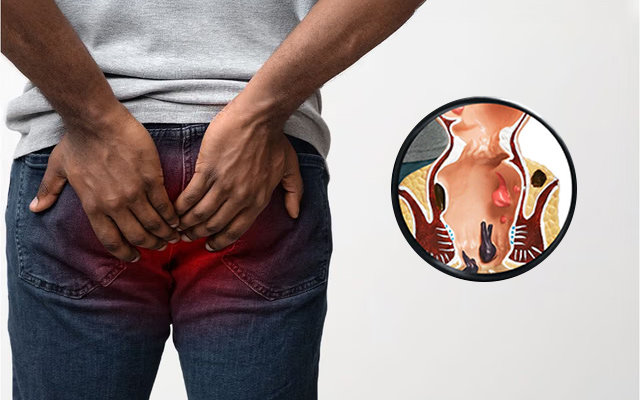
Piles are swollen veins in and around your anus and lower rectum. These veins normally help with stool control, but constant pressure — from straining, constipation, or poor habits — can make them enlarge and inflame. You can have:
- Internal piles: Inside the rectum; often painless but prone to bleeding.
- External piles: Outside the anus; can be itchy, painful, or tender.
They’re basically like varicose veins in your bottom. If left untreated, they don’t always “go away” on their own — and can get worse over time.
The 6‑Month Progression of Ignored Piles
Below is a simple month‑by‑month breakdown of what commonly happens when piles are not treated, even if symptoms start mild:
| Time Period | What’s Happening Inside Your Body | What You Might Feel |
| 0‑1 month | Veins begin swelling | Occasional itching, mild bleeding |
| 1‑3 months | Enlargement continues | More frequent pain or bleeding |
| 3‑4 months | Daily irritation, discomfort | Pain when sitting or passing stool |
| 4‑6 months | Increased inflammation | Larger lumps, prolapse, persistent bleeding |
| 6+ months | Risk of complications | Blood clots, infection, anaemia |
Why Symptoms Get Worse Over Time
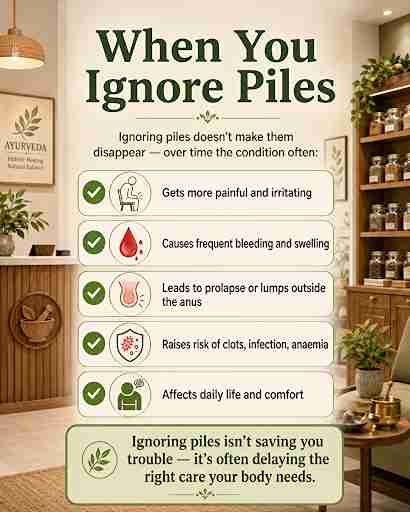
Ignoring piles doesn’t mean they stay “small and harmless.” Here’s what often happens inside your body when you delay treatment:
1. Chronic Inflammation
The veins stay irritated and inflamed, so irritation becomes constant instead of occasional. This inflammation makes pain and swelling more intense over time.
2. Prolapse of Internal Piles
Internal piles can start to protrude outside the anus — at first only during bowel movements, and later even at rest. These are harder to push back and can trap tissue outside.
3. Frequent Bleeding
Repeated straining and inflammation predispose the veins to bleed more often — sometimes large enough to cause iron loss over time. Chronic bleeding can eventually contribute to anaemia (low iron), causing fatigue and weakness.
4. Thrombosis and Clotting
When external piles develop blood clots inside them (“thrombosed haemorrhoids”), it leads to sudden, severe pain and swelling — often needing urgent care.
5. Infection Risk
Repeated irritation, micro‑tears, or prolonged bleeding can make the area prone to infection — which can complicate healing and sometimes require antibiotic or surgical intervention.
Common Symptoms That Get Worse
Here’s what you might notice more often if you ignore piles:
- Bleeding after bowel movements (bright red blood on toilet paper or in the bowl).
- Pain or irritation around your anus.
- Itching or burning in the anal area.
- Lumps or swelling that may protrude.
- Mucus discharge or feeling like your bowel didn’t empty completely.
These symptoms don’t just go “away” — they often intensify if underlying causes like constipation, straining, and blood vessel pressure remain unaddressed.
Why Some People Ignore Piles (And Why That’s Risky)
People avoid piles treatment for reasons like:
- Embarrassment talking about symptoms
- Thinking it’s “just a minor irritation”
- Believing it will heal on its own
- Fear of procedures
The problem? Piles usually reflect deeper issues like chronic constipation, low fibre diet, poor bowel habits, or lifestyle patterns — and ignoring them rarely fixes the root causes.
How Ayurveda Sees the Problem
Ayurveda doesn’t just label piles as “swollen veins.” It looks at digestive balance, toxin accumulation (Ama), and dosha imbalances that weaken rectal tissues and lead to recurring piles. Untreated piles can aggravate Vata and Pitta, worsening constipation and inflammation.
This is why holistic approaches focus on:
- Improving digestion and gut function
- Supporting elimination and bowel regularity
- Reducing inflammation and toxin load
- Strengthening vein walls and tissues
These are things conventional over‑the‑counter creams may temporarily treat, but often do not fully resolve unless the root causes are addressed too.
Can You Prevent Complications?
Yes — and the best time to act is before complications arise. There are simple habits that help:
- Drink plenty of water each day
- Eat a high‑fibre diet (fruits, veggies, whole grains)
- Avoid long periods of sitting or straining
- Go to the bathroom when you first feel the urge
- Include gentle exercise like walking or yoga
These healthy habits can slow progression and ease symptoms, but advanced or long‑standing piles often benefit from professional care.
Real, Effective Support: Ayurvedic Treatment
If you’ve been ignoring piles, you owe it to your body to explore care that treats the cause — not just the symptom. At Ayusya Ayurveda, we offer personalised holistic care that targets digestion, inflammation, and tissue healing.
Here’s how we support healing:
- Personalised herb‑based therapies to calm inflammation
- Gentle procedures like Kshar Karma and Kshar Sutra when needed
- Diet and lifestyle planning for healthy bowel habits
- Focus on long‑term relief and prevention
We guide you every step of the way — not just on symptom relief but on real recovery.
If you’re tired of temporary fixes and ready for lasting results, our Ayurvedic approach can help you heal comfortably and naturally.
Heal Smart, Heal Early
If you’ve been living with piles for months, it’s time to take action. Waiting for “it to go away” can mean complications, more pain, and harder recovery later.
Ayurvedic treatment in Kolkata for Piles at Ayusya Ayurveda helps address the real causes — digestion, toxins, dosha imbalance — while also relieving symptoms gently and effectively.
Schedule a consultation today.
People Also Ask
1. What happens if I ignore piles for several months?
Ignoring piles can make swelling, pain, and bleeding worse over time. Chronic irritation may lead to prolapse, blood clots, or anaemia.
2. Can piles go away on their own without treatment?
Mild piles may improve with lifestyle changes, but long-standing piles rarely fully disappear without professional care. Ayurvedic approaches target the root cause for lasting relief.
3. How does Ayurveda treat piles naturally?
Ayurvedic treatment focuses on digestion, inflammation reduction, and tissue healing using herbs, diet, and gentle therapies. It addresses both symptoms and underlying causes.
4. What are the early warning signs of piles complications?
Persistent pain, frequent bleeding, external lumps, or clot formation are signs piles may worsen. Early intervention helps prevent severe complications.
5. Is diet important for piles recovery?
Yes. High-fibre foods, hydration, and avoiding heavy, oily, or spicy meals ease bowel movements. Proper diet supports Ayurvedic therapies and faster healing.
6. Can lifestyle changes alone manage piles effectively?
While hydration, a high-fibre diet, and regular exercise can reduce symptoms, long-standing piles often require professional Ayurvedic therapies for full recovery and prevention of recurrence.
7. Is Ayurvedic treatment safe alongside conventional medications?
Yes, but it’s important to inform your Ayurvedic practitioner about any ongoing medications. They can personalise therapies and herbs to complement conventional treatments safely.
8. Can Ayurvedic treatment prevent future piles?
Yes. By addressing digestion, dosha balance, inflammation, and vein strength, Ayurvedic treatment helps reduce recurrence and promotes long-term rectal and digestive health
9. Are there dietary restrictions during Ayurvedic treatment for piles?
Yes, patients are advised to avoid spicy, oily, and heavy foods, while focusing on high-fibre meals, fruits, vegetables, and hydration to support healing and prevent irritation.
10. Is Ayurvedic treatment suitable for all types of piles?
Yes, Ayurvedic therapies can be adapted for internal, external, and prolapsed piles, with personalised approaches based on the severity and the patient’s constitution.